How do I find brands that sponsor musicians in my genre?
Brands reach independent artists directly on iKonX. Two parties, one transparent table, zero broker in the middle.
Start from your audience, not your genre. A brand sponsors a musician to reach that musician's listeners, so list the brands your specific fans already buy, watch who is sponsoring artists at your level nearby, and pitch the audience overlap in numbers. The right sponsor is not the one who likes your music. It is the one who wants the exact people who like your music.
Ask most artists how they will find a sponsor and they describe a search by genre: which brands sponsor hip-hop, which brands sponsor indie, as if there were a directory of companies filed by sound. That search returns the same giant names every time, the ones already sponsoring stadium tours, and it sets an independent artist up to pitch companies that will never look at them. Genre is how you describe your music. It is not how a brand decides where its money goes.
A brand does not sponsor a genre. It sponsors an audience. When a company backs a musician, it is buying access to that musician's listeners, and the only question it actually cares about is whether those listeners are the people it wants to reach. That reframe changes everything, because it means your leverage is not how big you are or how famous your genre is. It is how specific and how reachable your audience is, and a small, tightly defined audience is often easier to sell than a large, vague one.
The second mistake is aiming only at endemic brands, the instrument makers and headphone companies, and stopping there. Those are real, but they are crowded, and they are a fraction of the brands that would pay to reach your fans. The energy drink, the local barbershop chain, the streetwear label, the regional restaurant group, all of them sponsor when the audience fits, and most of them are not on any list of music sponsors because they think of it as marketing, not as backing a band.
Build the list from your fans outward. Write down, honestly, who your listeners actually are: their age, their region, what they wear, what they drink, where they hang out, what else they follow. Then list the brands that already sell to exactly those people. That list is your real sponsor pipeline, and it will look nothing like a directory of music sponsors, because it is built from your audience instead of your sound.
Watch who already sponsors artists at your level. Not the stadium acts, the ones one or two steps ahead of you locally or in your niche. The brands backing them have already decided your kind of audience is worth paying for, which means they are the warmest possible leads. Study the deals you can see, note which brands appear more than once, and add them to the list.
Then pitch the overlap, in numbers. A sponsor does not want to hear that your music is great. It wants to know how many of its future customers you can put in front of it, so lead with the audience: the size, the specificity, the engagement, the region, and the exact match to what the brand sells. A one-page media kit that shows the overlap will beat a long story about your journey every time, because you are selling access to people, not applause.
Where iKonX fits, honestly, is upstream of the deal. A sponsor's first question is often whether you are a real, active operation, and today iKonX is where you prove that: it is where you already get paid by fans and get booked, keeping 100 percent of what you set at 0 percent platform commission, which is evidence you run a genuine business rather than a hobby. A dedicated sponsorship view, with media-kit and outreach tools, is on the roadmap rather than live, and I would rather say that plainly than imply a feature that is not there. iKonX is free to download and explore, and full access to paid features is a flat $9.99 a month.
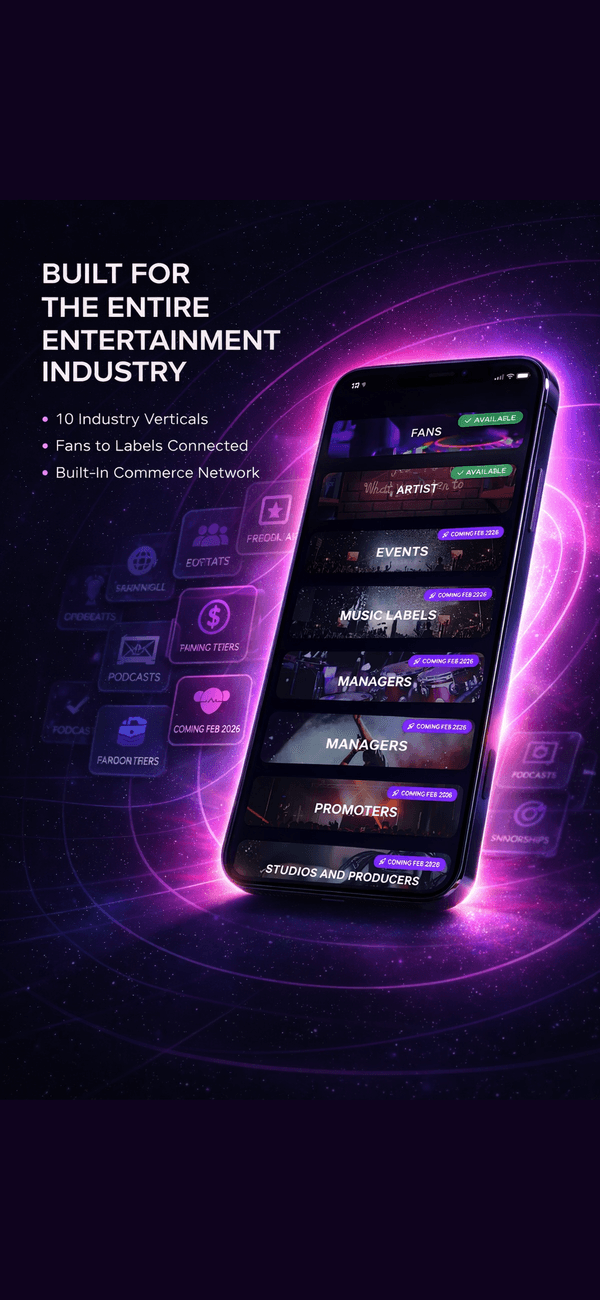
The whole network lives in one app.
iKonX puts every side of the music business in your pocket. Artists set their own price and keep 100% of it · iKonX takes 0% platform commission. Browse, message, and book straight from the app.

How to find brands that sponsor musicians like you, step by step
- Describe your audience before your genre. Write down who your listeners actually are: age, region, what they wear, what they drink, where they hang out, what else they follow. A brand sponsors an audience, not a sound, so this description is the real starting point. Genre is how you label your music, not how a company decides where its budget goes.
- List the brands your fans already buy. Name the companies that already sell to exactly those people. That list is your true sponsor pipeline, and it will look nothing like a directory of music sponsors, because it is built from your audience outward. The energy drink, the streetwear label, the regional restaurant group all count.
- Watch who sponsors artists at your level. Look one or two steps ahead of you, locally or in your niche, not at the stadium acts. The brands backing those artists have already decided your kind of audience is worth paying for, which makes them your warmest leads. Note the brands that appear more than once.
- Pitch the audience overlap in numbers. Lead with how many of the brand's future customers you can reach: the size, the specificity, the engagement, the region, and the exact match to what they sell. A one-page media kit showing the overlap beats a long story about your journey. You are selling access to people, not applause.
- Prove you are a real operation. A sponsor's first question is whether you are active and legitimate. Show that you already get paid by fans and get booked as an independent, which is evidence of a real business, not a hobby. On iKonX that activity is visible today, and a dedicated sponsorship media-kit and outreach view is on the roadmap.
Two ways to search for sponsors (and which one finds real ones)
| Searching by genre | Searching by audience | |
|---|---|---|
| What it returns | The same giant, crowded names | Brands your fans actually buy |
| Who you end up pitching | Companies out of your league | Companies that want your listeners |
| Your leverage | Your size, which is small | Your audience specificity, which is real |
| Endemic vs everyone | Only instrument and audio brands | Any brand whose customer is your fan |
| Hit rate | Very low | Much higher, the fit is the pitch |
| On iKonX | Prove you are a real, active operation today · a dedicated sponsorship media-kit view is on the roadmap | |
Sources and dates. FTC Endorsement Guides, 16 CFR Part 255 (live, July 2026): when an artist promotes a sponsor's product, the paid or material connection must be clearly and conspicuously disclosed, and the duty is shared by the artist and the brand, so a sponsorship that includes social posting carries a disclosure obligation. IRS (2026): sponsorship income is taxable business income to the artist, generally subject to self-employment tax once net earnings from self-employment reach $400, and a brand paying $600 or more may issue a Form 1099-NEC, so a W-9 is standard. The audience-first sponsor search, the warm-lead approach of watching peer deals, and the endemic-versus-everyone framing here are market observation from the independent industry in 2026, not published statistics, and iKonX sponsorship tooling described as roadmap is not a live feature. Practical guidance, not legal advice. The iKonX model is the only fixed claim: artists keep 100% of the price they set, iKonX takes 0% platform commission, the buyer pays a flat 10% on top, iKonX is free to download and explore, full access to paid features is a flat $9.99/month, and the only payout deduction is a low, sub-5% withdrawal fee, below the industry standard.
Finding genre sponsors FAQ
How do I find brands that sponsor musicians in my genre?
Search by audience, not by genre. A brand sponsors a musician to reach that musician's listeners, so list the brands your specific fans already buy, then watch who is sponsoring artists at your level nearby. Genre searches return the same giant, crowded names. Your real pipeline is the set of companies that already sell to exactly the people who listen to you.
Do I have to be big to get a sponsor?
No. A brand pays for access to a fitting audience, not for fame, and a small, tightly defined audience is often easier to sell than a large, vague one. Your leverage is how specific and reachable your listeners are, not how many you have. That is why an independent artist with a clear niche can land a sponsor a bigger, blurrier act cannot.
Should I only pitch music brands like instrument makers?
No, those are real but crowded and only a fraction of your options. Any brand whose customer is your fan is a candidate: the energy drink, the streetwear label, the local restaurant group, the barbershop chain. Most of them do not appear on any list of music sponsors because they think of it as marketing, which is exactly why they are less contested.
What actually convinces a brand to sponsor me?
The audience overlap, shown in numbers. Lead with how many of the brand's future customers you can reach, the specificity, the engagement, the region, and the exact match to what they sell. A one-page media kit that proves the overlap beats a long story about your journey, because a sponsor is buying access to people, not applause.
How does iKonX help with sponsorships?
Upstream of the deal, and I will be straight about the limits. A sponsor's first question is whether you are a real, active operation, and today iKonX is where you prove that by already getting paid by fans and booked, keeping 100 percent of what you set at 0 percent platform commission. A dedicated sponsorship media-kit and outreach view is on the roadmap, not live.
Explore the connected sides of the network
Show business is a business. No broker.
Start from your audience, list the brands your fans already buy, and pitch the overlap in numbers. Download iKonX and prove you run a real, active operation.

DOWNLOAD THE FREE PDF TODAY:
The Brand-Artist Sponsorship Proposal Template
A fill-in proposal a brand and an artist can agree on with no broker in the middle.
Get the free PDF ->