Companies that sponsor musicians, and how to reach them in 2026
Brands reach independent artists directly on iKonX. Two parties, one transparent table, zero broker in the middle.
Companies that sponsor musicians fall into four groups: food and drink brands (Taco Bell Feed The Beat, Monster Energy, Red Bull), instrument makers (Gibson, Yamaha, Fender), apparel and lifestyle brands, and music-tech platforms (UnitedMasters). To reach them, pitch the brands your audience already trusts with a one-page proposal, not a follower count, and deal directly.
Most artists looking for a sponsor make the same two mistakes. They aim only at the giant brands everyone already knows, and they go looking for a contact through a manager or agent they do not have. So they email a generic marketing inbox at a Fortune 500, hear nothing, and conclude that sponsorships are for famous people. The deals are real and many run programs built specifically for unknown artists, but the door the artist is knocking on is the wrong one.
The harder problem is the broker tax sitting between the brand and the music. For most of music history, a brand could not back a rising artist without going through a manager, who looped in a booking agent, and each of them took a cut. Managers commonly charge 15 to 20 percent of an artist's gross and booking agents take another 10 to 20 percent on top, so a five-figure deal could lose a quarter of its value before a dollar touched the music. That overhead is exactly why a local roaster that would happily fund a 3,000 dollar regional tour never finds the artist, and why the artist with a small, loyal, perfectly aligned audience stays invisible to the brands that would gladly pay them.
So the real question is two-part: which companies actually sponsor musicians, and how do you reach them without a broker eating the budget.
Start with who is actually buying. Food and drink brands run the most accessible programs: Taco Bell's Feed The Beat has supported touring musicians for 20 years, and in 2026 named a 100-strong anniversary class, with selected artists getting Taco Bell gift cards, stage time at brand events, music in commercials, and amplification through Taco Bell's social reach. Monster Energy Music and Red Bull build long-term relationships with artists across festivals and label development. Instrument makers run endorsement and development tracks: Gibson's Artist Spotlight features a new emerging musician every month across Gibson.com, social, advertising, and Gibson Garage performances, and its two-year Gibson Generation Group offers mentorship plus a Gibson endorsement, while Yamaha and Fender run their own artist programs. Apparel, gear, and niche lifestyle brands round out the field, and music-tech platforms like UnitedMasters connect independent artists to brand partnerships through performance data.
Knowing who buys is half the answer. The other half is reaching them without losing the budget to a broker, and that is what we are building iKonX toward. When sponsorships open, a brand will be able to find an independent artist whose audience fits its customers, agree on the deliverables and price in one place, and pay directly. The artist will keep 100 percent of the price they set, iKonX will take 0 percent platform commission, and the buyer will pay a flat 10 percent on top. The smaller, well-matched deals that the old agency overhead priced out, the local roaster, the gear shop, the niche label, become worth doing again, because the whole budget goes to the partnership instead of a chain of middle people.
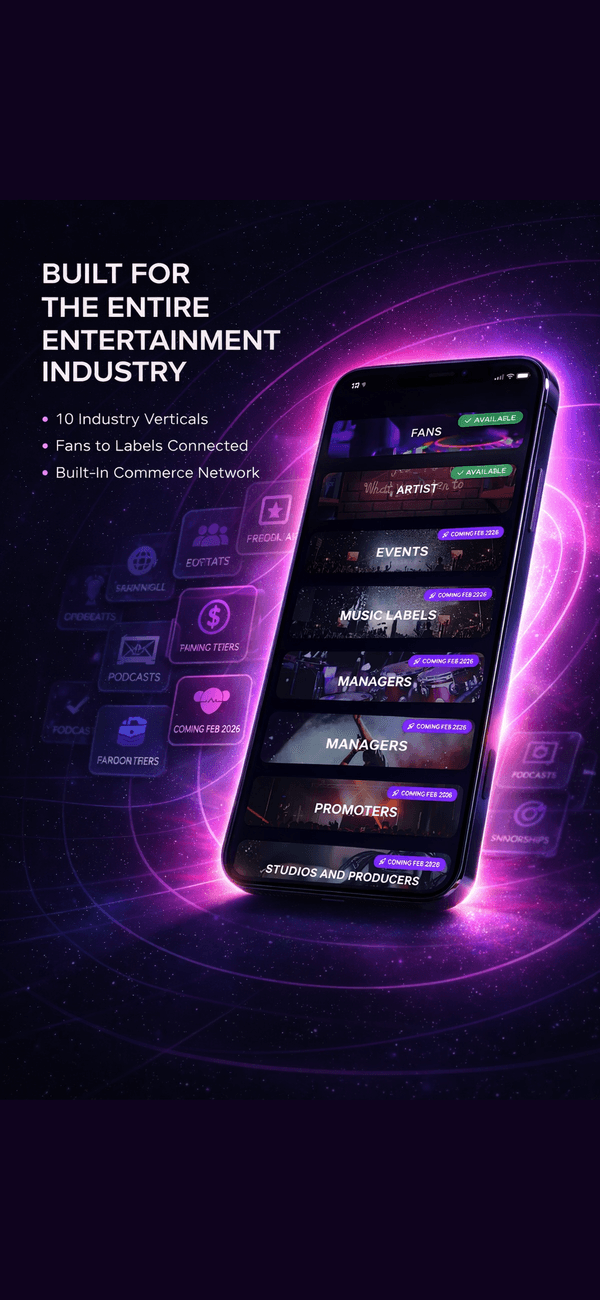
The whole network lives in one app.
iKonX puts every side of the music business in your pocket. Artists set their own price and keep 100% of it · iKonX takes 0% platform commission. Browse, message, and book straight from the app.

How to reach companies that sponsor musicians, step by step
- Start with the brands that already run music programs. Do not cold-pitch a random Fortune 500 inbox. Begin with companies that have published artist programs: Taco Bell Feed The Beat, Gibson Artist Spotlight, the Gibson Generation Group, Monster Energy Music, and platform partnerships through UnitedMasters. A brand that already wants to fund musicians is far more likely to reply than one you are trying to convince from scratch.
- Then add the brands your own audience already trusts. Beyond the big programs, the highest-fit deals come from brands whose customers look like your listeners: the local roaster, the gear shop, the niche apparel label, the energy drink your fans actually buy. Brand-alignment is what makes a sponsorship feel authentic instead of bought, and a tight, trusting audience routinely beats a large, passive one.
- Find the right human, not the marketing@ inbox. Research the brand's actual marketing, partnerships, or artist-relations contact through its website, LinkedIn, and Instagram, then reach a named person. A personalized note that references their past work lands; a generic blast to a shared inbox disappears.
- Lead with engagement and audience data, not follower count. Pull your real numbers from Spotify for Artists and your social analytics: who your audience is, where they are, and how engaged they are in saves, shares, and comments. Brands buy access to a trusting audience, not a reach number, so put the engagement story at the top of everything you send.
- Send a one-page business proposal. An EPK catches attention, but the document that wins a deal is a one-page proposal: who your audience is, the exact deliverable, the price, and what the brand gets in return. Frame it around the brand's win, not your needs. Make the mutual benefit obvious.
- Deal directly and get paid up front. Going direct means no agency markup eating the budget, which is precisely what makes the smaller, well-matched deals worth running. Agree the deliverables, dates, usage rights, and payment in writing, and collect before you do the work. On iKonX, when sponsorships open the artist will keep 100 percent of the price they set and iKonX will take 0 percent platform commission.
- Deliver clean, then follow up and report. Deliver exactly what you promised, on time, then send the brand the results: reach, engagement, sign-ups, sales. A clean first sponsorship with real reporting is the single best case study for the next, bigger one, and reliability is what turns a one-off into a renewable, year-over-year partnership.
How brands reach artists, and what it costs the deal: the honest comparison
| How you reach the sponsor | Who stands in the middle | What it costs the deal |
|---|---|---|
| iKonX | No broker · brand and artist deal directly | 0% platform commission · the artist keeps 100% of the price they set · buyer pays a flat 10% on top |
| Brand program (e.g. Taco Bell Feed The Beat, Gibson Artist Spotlight) | The brand's program team | No fee · selective, application-based · often in-kind (gift cards, gear, exposure) rather than cash |
| Through a manager | The artist's manager | Roughly 15% to 20% of the artist's gross, ongoing |
| Through a booking agent | A booking or talent agent | Roughly 10% to 20% of the fee |
| Cameo (paid shoutouts) | The platform | Talent keeps 75% · Cameo takes 25% · on iOS Apple takes 30% first |
Sources and pay context, dated: Taco Bell Feed The Beat marked 20 years in 2026 with a 100-strong anniversary class, providing touring artists with $500 Taco Bell gift cards plus event stages, commercial features, and social amplification, per That Eric Alper (June 2, 2026) and feedthebeat.com (2025). Gibson's Artist Spotlight features a new emerging musician monthly and its two-year Generation Group adds mentorship and a Gibson endorsement, per Music Connection (January 6, 2026) and the Gibson Gazette (2025). Sponsored-post pay for a nano-tier artist (1,000 to 10,000 followers) commonly runs $50 to $300 per Instagram or TikTok post, and creators with engagement above 5% can add 50% to 100% to base rates, per Orphiq's 2026 brand-sponsorships guide and 2026 micro and nano pricing data. Regional tour sponsorships commonly run $1,000 to $5,000 per Orphiq's music sponsorship guide (May 17, 2026). Manager commission of 15% to 20% per Matador Talent's 2025 agent commission guide; booking agent 10% to 20% per Stagent's 2025 guide; Cameo talent keeps 75% (Cameo 25%, Apple 30% first on iOS) per Influencer Marketing Hub (2025). Ranges vary by deal. The only fixed claim is the iKonX model: artists keep 100% of the price they set, iKonX takes 0% platform commission, and the buyer pays a flat 10% on top. iKonX is free to download and explore, with full access to paid features a flat $9.99/month, and the only payout deduction is a low, sub-5% withdrawal fee, below the industry standard.
Companies that sponsor musicians FAQ
What companies sponsor musicians?
They fall into four groups. Food and drink brands run the most accessible programs: Taco Bell Feed The Beat, Monster Energy Music, and Red Bull. Instrument makers run endorsement and development tracks: Gibson (the Artist Spotlight and the two-year Generation Group), Yamaha, and Fender. Apparel, gear, and niche lifestyle brands fund artists whose audience fits their customers. Music-tech platforms like UnitedMasters connect independent artists to brand partnerships through performance data. The most reachable deals are usually the brands your own audience already trusts, not the biggest logo you can name.
How do I reach a company to sponsor my music?
Start with brands that already run published artist programs, then add brands whose customers look like your listeners. Research the actual marketing, partnerships, or artist-relations contact through the brand's website, LinkedIn, and Instagram, and reach a named person with a personalized note rather than a generic marketing inbox. Lead with your engagement and audience data, send a one-page business proposal that frames the brand's win, and follow up if you do not hear back within a few days.
Can a brand sponsor an artist with a small following?
Yes. There is no minimum follower requirement, and brands regularly sponsor artists with under 5,000 followers when the audience aligns with their customers, per Orphiq's 2026 guide. Engagement rate and audience loyalty consistently matter more to brands than raw follower count, and creators with engagement above 5 percent can add 50 to 100 percent to base sponsorship rates. A small, trusting audience can be more valuable to the right brand than a large, passive one.
Are brand sponsorships for musicians paid in cash or in product?
Both, depending on the brand. Large brand programs are often in-kind: Taco Bell Feed The Beat provides $500 gift cards plus exposure, and instrument makers like Gibson provide gear, features, and mentorship rather than a cash fee. Direct deals with the brands your audience trusts are more commonly paid: a nano-tier sponsored post commonly runs $50 to $300 and a regional tour sponsorship commonly runs $1,000 to $5,000, per Orphiq's 2026 data. Decide up front whether you are accepting product, cash, or both.
Do I need a manager or agent to get a brand sponsorship?
No. Going direct is the entire point of a platform-based deal. Managers commonly take 15 to 20 percent of an artist's gross and booking agents take another 10 to 20 percent, per 2025 industry guides from Matador Talent and Stagent, so brokering a sponsorship through them can cost a quarter of the budget. Brand programs like Feed The Beat and Gibson Artist Spotlight accept direct applications, and dealing directly with a brand keeps your full sponsorship spend in the partnership.
Does iKonX take a commission on a sponsorship deal?
No. When sponsorships open, the artist will earn 100 percent of the price they set and iKonX will take 0 percent platform commission. The buyer pays a flat 10 percent on top of the artist's price. Only a low, sub-5 percent withdrawal fee, below the industry standard, applies when an artist transfers earnings out, and it is a routine transfer fee, never a commission on the deal. iKonX is free to download and explore; full access to paid features across all ten sides of the network is a flat 9.99 dollars a month.
Explore the connected sides of the network
Show business is a business. No broker.
Find the brands your audience already trusts, pitch them directly, and keep every dollar of the deal. Download iKonX to be ready the moment sponsorships open, where you reach companies directly instead of waiting on a gatekeeper.

DOWNLOAD THE FREE PDF TODAY:
The Brand-Artist Sponsorship Proposal Template
A fill-in proposal a brand and an artist can agree on with no broker in the middle.
Get the free PDF ->