What to put in a music sponsorship contract
Brands reach independent artists directly on iKonX. Two parties, one transparent table, zero broker in the middle.
Nine clauses cover almost every music sponsorship dispute. Deliverables: exactly what you will do, how many times, on which channels, by when. Term: the start and end date. Exclusivity: what category you cannot work with during the term, and for how long. Usage rights: where the brand can use your name, face, and content, and for how long after the term. Approvals: who signs off, and how fast, with a deemed-approved deadline so you are not held hostage. Payment: the amount, the schedule, and a late fee. Disclosure: paid partnerships must be disclosed, which is a legal obligation, not a style choice. Reporting: what you will send them after. Termination: how either side exits and what happens to money already paid. Get those nine down in plain language and you have a real agreement, not a vibe.
Most music sponsorships are agreed in a DM and confirmed with an emoji. It works right up until it does not. The brand thought the deal covered four posts, a show banner, and their logo on the tour poster. The artist thought it was two posts. Nobody wrote it down, so the loudest person wins, and the artist is almost never the loudest person in that exchange.
The expensive clauses are the ones nobody thinks about. Exclusivity, which can quietly lock an artist out of every other brand in a category for a year, in exchange for a single payment. Usage rights, which can hand a brand the right to run an artist's face in paid ads long after the deal ended. Approvals, where a brand sits on a draft for three weeks and then blames the artist for missing the launch date.
Then the money. Sponsorship payments have a habit of arriving through a procurement process nobody warned the artist about, sixty or ninety days after the work is done, with no late fee, no deposit, and no leverage. The work was delivered on day one. The payment shows up in the next quarter, if it shows up.
Write nine clauses, in plain language, on one page. Deliverables, term, exclusivity, usage rights, approvals with a deemed-approved deadline, payment amount and schedule, disclosure, reporting, and termination. It does not need to be long. It needs to be specific. A one page agreement that says exactly what happens beats a ten page template that says nothing about your actual deal.
Price the clauses, not just the posts. Exclusivity has a cost, because you are giving up every other brand in that category. Extended usage rights have a cost, because your face running in a brand's paid ads for a year is worth more than one post. If a brand wants those things, they are line items, and if they will not pay for them, they do not get them.
Then structure the money so you are not financing the brand. A deposit before work starts, the balance on a named date with a late fee, and a payment channel that documents the transaction. On iKonX you set your price on a verified page and get paid directly. You keep 100% of the price you set, iKonX takes 0% platform commission, and the buyer pays a flat 10% on top. Note the honest limit: iKonX handles the artist getting paid, transparently and artist-first. It is not a contract-drafting tool and nothing here is legal advice, so for a large or complex deal, have a lawyer read it. iKonX is free to download and explore, full access to paid features is a flat $9.99/month, and the only payout deduction is a low, sub-5% withdrawal fee when you transfer earnings out, below the industry standard.
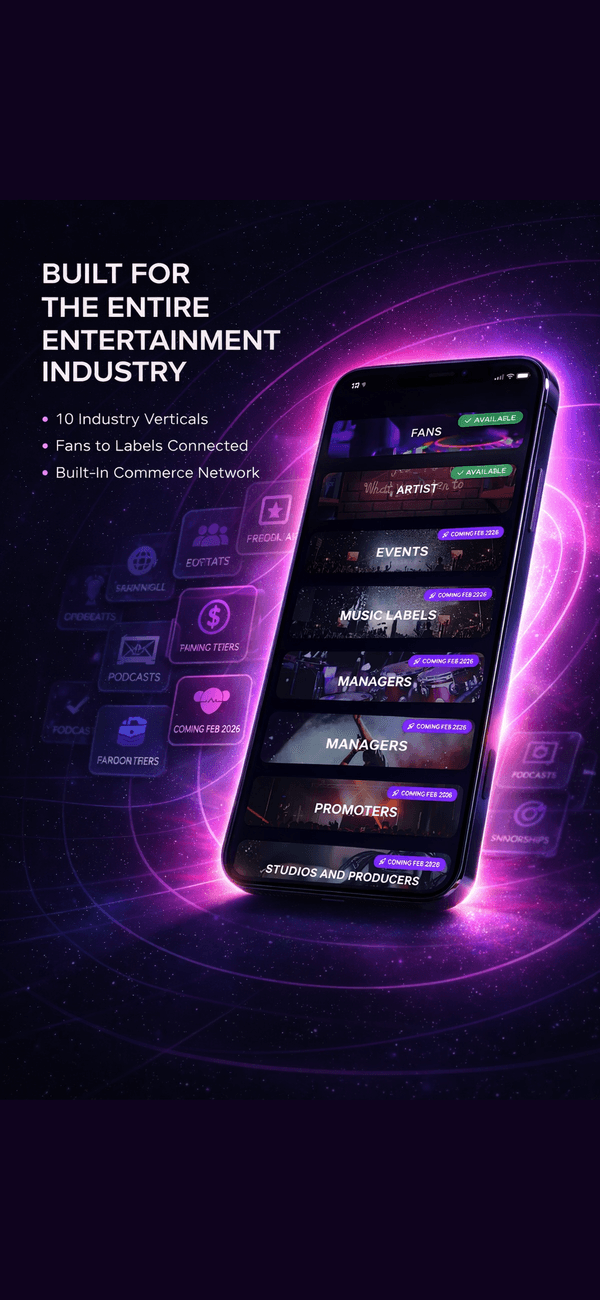
The whole network lives in one app.
iKonX puts every side of the music business in your pocket. Artists set their own price and keep 100% of it · iKonX takes 0% platform commission. Browse, message, and book straight from the app.

The nine clauses, in order
- Deliverables. Exactly what, how many, on which channels, by when. Two Instagram posts and one story is a deliverable. Social support is not.
- Term and exclusivity. Start and end date, and precisely which category you cannot work with during it. Exclusivity is the most expensive thing artists give away for free.
- Usage rights. Where the brand can use your name, face, and content, in what media, and for how long after the term ends. Paid ad usage is a separate, priced right.
- Approvals with a deadline. Who approves, in how many business days, and a deemed-approved clause if they miss it. Otherwise a slow brand becomes your problem.
- Payment amount and schedule. A deposit before work starts, a named due date for the balance, and a late fee. Do not deliver first and hope procurement remembers you.
- Disclosure, reporting, and termination. Paid partnerships must be disclosed under FTC guidance. Say what results you will report, and say how either side exits and what happens to money already paid.
The clauses that quietly cost artists the most
| Clause | What it costs you if you ignore it | How to price it |
|---|---|---|
| Exclusivity | Every other brand in that category, for the whole term | A separate line item. The wider the category and the longer the term, the higher it goes |
| Usage rights | Your face in their paid ads long after the deal ended | Priced by media, territory, and duration. Organic reposts are not paid ads |
| Approvals | A brand sits on the draft, then blames you for the delay | Free, if you add a deemed-approved deadline in business days |
| Payment terms | Ninety days of financing the brand, with no leverage | A deposit before work starts, a named balance date, and a late fee |
| Getting paid on iKonX | Nothing · you keep 100% of the price you set · 0% platform commission · buyer pays a flat 10% on top | You set the number on your verified page |
US endorsement guidance requires that material connections between a brand and an endorser be clearly and conspicuously disclosed, which makes the disclosure clause a legal obligation rather than a preference (FTC Endorsement Guides, 2025). Deposits, named payment dates, and late fees are standard protections in freelance and creator agreements (Freelancers Union contract guidance, 2025). Nothing here is legal advice, and a large or complex deal should be reviewed by a lawyer. The only fixed claim here is the iKonX model: the artist keeps 100% of the price they set, iKonX takes 0% platform commission, and the buyer pays a flat 10% on top. iKonX is free to download and explore, full access to paid features is a flat $9.99/month, and the only payout deduction is a low, sub-5% withdrawal fee when you transfer earnings out, below the industry standard.
Sponsorship contract FAQ
Do I need a written contract for a small music sponsorship?
Yes, and it can be one page. Deliverables, term, exclusivity, usage, approvals, payment, disclosure, reporting, termination. Small deals go wrong for exactly the same reasons big ones do, and small artists have the least leverage when they do.
What is exclusivity in a sponsorship, and should I agree to it?
It means you cannot work with competing brands in a defined category for a defined period. Agree to it only if it is paid for and only if the category is narrow. A broad category for a long term can cost you far more than the deal pays.
Do I have to disclose a paid music sponsorship?
Yes. US endorsement guidance requires a clear and conspicuous disclosure of a material connection between you and the brand. That is a legal obligation, not a style choice, and it belongs as a clause in the agreement.
How should sponsorship money be paid?
A deposit before work starts, the balance on a named date, and a late fee if it slips. Take it through a channel that documents the transaction. On iKonX the artist keeps 100 percent of the price they set and the brand pays a flat 10 percent on top.
Explore the connected sides of the network
Show business is a business. No broker.
Sign the deal, set your price, and get the sponsorship money paid directly to you. Download iKonX.

DOWNLOAD THE FREE PDF TODAY:
The Brand-Artist Sponsorship Proposal Template
A fill-in proposal a brand and an artist can agree on with no broker in the middle.
Get the free PDF ->