TikTok sound
A creator builds a trend around an artist's track · the artist gets the reach, the creator gets fresh audio.
@creator×@artist
To make a song go viral on TikTok with creators, pick one hookable 7-to-15-second moment of your track, seed it with a wave of on-niche micro-creators at once instead of one big name, hand each a simple creative concept, and time the posts close together so the algorithm sees momentum. Pay each creator directly to keep the 10 to 30 percent an agency would take. iKonX is building a side of its network where artists and creators pair directly.
You have a song with a moment that could catch, and you know TikTok is where songs break now. The problem is that virality is not a single big post. It is a wave of the right creators using your sound in a short window, and engineering that wave is the part nobody hands you. Drop your sound into the void and it sits at a few hundred plays. Pay one mega-creator for one post and you usually get a spike that dies by the weekend, because the algorithm rewards a sound that lots of people are picking up, not a sound one famous account used once.
So most independent artists reach for the shortcut that quietly drains the budget. They hand the whole campaign to a music influencer marketing agency, which solves the wave problem and creates a money one. Industry pricing guides put agency commissions at roughly 10 to 30 percent of the influencer fees or ad spend, and a 2025 analysis of more than a billion dollars in creator payouts found that on average about 30 percent of total influencer marketing spend goes to the agency while only 70 percent reaches the creators actually making the posts. On a sound-seeding campaign that should have been you talking to a handful of creators directly, that is a big slice of your push lost to a middleman.
The real skill is not buying one viral post. It is choosing the hookable moment, picking the right creators for your sound, briefing them so the posts feel native, and clustering the wave in time, all while the budget goes to the creators rather than a chain of brokers.
The fix is to treat virality as a seeded wave, not a single buy, and to keep every deal direct. Start with the hook. TikTok lives on a 7-to-15-second moment people can sing, dance, or react to, so isolate the most hookable part of your track and make it the official sound. A clean, loopable moment with an obvious action is what creators can build a post on without you scripting every frame.
Then seed wide and on-niche, not big and broad. Micro creators, roughly 10,000 to 50,000 followers, consistently post the strongest engagement of any tier, averaging around 4.84 percent, and roughly 70 percent of brands now prefer working with nano and micro creators over mega accounts for exactly that reason. Ten on-genre micro-creators posting your sound in the same week signal momentum to the algorithm far better than one 500,000-follower account posting once. Search niche hashtags like #indieartist, #newmusic, or your genre tag to find creators whose audience already responds to music like yours, and vet on comments and watch-through rather than raw follower count.
When the fit is real, connect directly and keep it that way. When an artist and a creator pair without an agency in the middle, there is no commission skimmed off the top and no gatekeeper deciding whether your sound is worth their time. That is the side of the network iKonX is building for influencers. The model underneath it is the one iKonX already runs for artists: an artist sets their own price and earns 100 percent of it, because iKonX takes 0 percent platform commission. The buyer, including a creator or brand paying for a feature or a post, pays a flat 10 percent on top. So the number a creator agrees to is the number they keep, and both sides know exactly what each post in the wave costs before anyone hits record.
Engagement > follower count.
The right match beats the biggest reach. iKonX pairs you on sound and fit, not on who has the most followers.
The whole network lives in one app.
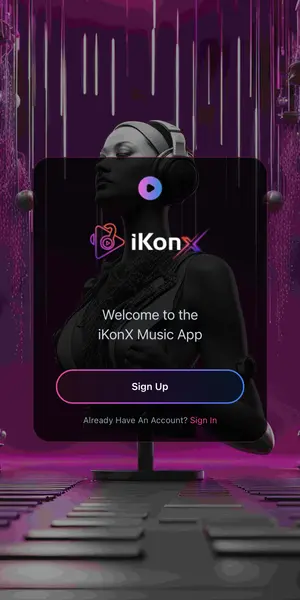
iKonX puts every side of the music business in your pocket. Artists set their own price and keep 100% of it · iKonX takes 0% platform commission. Browse, message, and book straight from the app.

TikTok sound
A creator builds a trend around an artist's track · the artist gets the reach, the creator gets fresh audio.
Brand deal feature
Pair on a sponsored post · the music makes it feel native, not an ad. Terms agreed directly, no agency in the middle.
Duet or remix
Two voices on one post · the split-screen the feed loves. iKonX is just the introduction that makes it happen.
Live or stream
Bring an artist onto a live · a real, unscripted moment your audience cannot get anywhere else.
UGC campaign
A run of posts around a release · the artist keeps 100% of their rate, you pay a flat 10% on top. That is the whole deal.
| How you run the creator wave | How the deals work | What it costs |
|---|---|---|
| iKonX (direct pairing) | Artist and each creator agree the deal in-app, no broker | 0% platform commission · the artist keeps 100% of the price they set · buyer pays a flat 10% on top |
| TikTok Creator Marketplace (built-in discovery) | You search creators by niche and engagement, deal through the platform | Free to search · creators need 10k+ followers and 100k+ views in 30 days to be listed |
| Playlist/creator pitching (e.g. SubmitHub) | You pay per submission to pitch curators and creators | ~$1 to $3 per submission credit · one campaign to 30 to 80 curators runs ~$30 to $120 |
| Music influencer agency (e.g. Songfluencer) | Agency sources, briefs, and pays the creators for you | Roughly 10% to 30% commission · on average ~30% of total spend goes to the agency |
| Cold DMs / chasing the For You page | You find, brief, and arrange every creator yourself | No fee, but no structure, no fit signal, and no payment protection |
Discovery-tool, pitching, and agency figures are sourced and dated below (verified June 2026) and vary by deal: TikTok Creator Marketplace eligibility (10k followers + 100k views/30 days) per Stackmatix (2026); SubmitHub submission credits (~$1 to $3 each, ~$30 to $120 per campaign to 30 to 80 curators) per Promoly (2026); influencer agency commission of 10 to 30 percent and the ~30/70 agency-to-creator spend split per Favikon and Lumanu (2025); per-post creator rates by tier per Influencer Marketing Hub and Insense (2026); Songfluencer as a managed-service music influencer agency per songfluencer.com. By comparison, a personalized-video platform like Cameo takes a 25% cut so talent keeps about 75% (Apple's 30% comes off first on iOS) per Influencer Marketing Hub (updated Jan 13, 2025), and a beat marketplace like BeatStars adds a 12% buyer service fee on marketplace sales (announced Aug 7, 2023). The only fixed claim is the iKonX model: artists keep 100% of the price they set, iKonX takes 0% platform commission, and the buyer pays a flat 10% on top. iKonX is free to download and explore, with full access to paid features a flat $9.99/month, and the only payout deduction is a low, sub-5% withdrawal fee, below the industry standard.
Treat it as a seeded wave, not one big post. Isolate a hookable 7-to-15-second moment as the official sound, shortlist ten to twenty on-niche micro creators, hand each one a simple concept, and cluster their posts into a tight window so the algorithm reads momentum. A burst of creators on the same sound beats one famous account posting once. iKonX is building a side of its network where artists and creators pair directly, with no agency in between.
Many small ones, in most cases. Micro creators (10k to 50k) average the highest engagement of any tier, around 4.84 percent, and roughly 70 percent of brands now prefer nano and micro creators over mega accounts. For virality the signal is breadth: ten on-genre micro creators using your sound in one week tells the algorithm a trend is forming, which one mega post rarely does.
It depends on the wave size. As of 2026, nano creators (1k to 10k) commonly charge 20 to 250 dollars per TikTok post and micro creators (10k to 50k) charge around 200 to 800 dollars, per Influencer Marketing Hub and Insense. Seeding ten micro creators can run a few thousand dollars total, so plan the budget across the whole wave rather than one slot, and pay each creator directly to avoid the 10 to 30 percent an agency would add.
Give them one clear concept, not a script. Send the official sound, the exact moment to use, the post format, and a single idea such as a challenge, a transition, a POV, or a duet prompt. Then let them make it in their own style. A concrete concept plus creative freedom is what produces a post that performs, while a tightly scripted ad usually reads as an ad and underperforms.
It can, when the fit and timing are right. TikTok leads all platforms for influencer marketing ROI, with the average campaign reported at around 5.78 dollars earned per dollar spent, per Influencer Marketing Hub. The return comes from audience fit and a clustered wave, not from buying one expensive post. Pay each creator directly to keep the 10 to 30 percent an agency would otherwise take out of your push.
Yes. If anything of value changes hands, including money, free music, or product, the FTC requires the creator to disclose it clearly and conspicuously. Plain words like "Ad" or "Sponsored" must appear where the audience sees them first, not vague tags like "#collab" or "#partner." As of 2025 to 2026, civil penalties can reach about 53,088 dollars per violation and each undisclosed post can count separately, so build disclosure into every deal in the wave.
Two profiles. One collab. No middleman.
Pick the right creators for your sound, agree each deal directly, and keep your budget on the posts instead of an agency cut. Download iKonX and start where the gatekeepers used to stand.

DOWNLOAD THE FREE PDF TODAY:
The Creator x Artist Collab Kit
How a creator and an artist set up a real collab and split it fairly · no agency, no middleman.
Get the free PDF ->