TikTok sound
A creator builds a trend around an artist's track · the artist gets the reach, the creator gets fresh audio.
@creator×@artist
You get songs promoted by influencers by paying creators whose audience already matches the song, briefing them loosely, and letting them make the video their own way. It is a paid media channel, not a favour economy. Music and dance creators average roughly 210 dollars per sponsored post, with micro creators commonly between 100 and 500 dollars and mid-tier creators between 500 and 5,000. Any paid placement has to be disclosed, and the FTC enforces that.
Most artists approach influencer promotion as if it were a favour they need to earn. They send the track to fifty creators, ask for a share, and get silence. Then they conclude that creators are unreachable.
Creators are extremely reachable. They are just running a business, and an unpaid request from a stranger is not a business proposition. The moment you treat it as paid media the whole channel opens up, because now you are a customer rather than a supplicant.
The second failure is buying the wrong number. Artists fixate on follower count, which is the metric that correlates worst with whether a song actually moves. A creator with 40,000 engaged followers in the exact subculture your song lives in will outperform one with 400,000 general followers, and cost a fraction as much. Engagement above 8 percent can even command a premium precisely because buyers have worked this out.
The third failure is over-briefing. Artists send creators a script, a required caption, a mandated hook placement, and a list of things not to say. That produces an advert, and audiences scroll past adverts. The creator knows what works on their own account better than you do.
The fourth failure is the expensive one: skipping disclosure. Paid placements must be disclosed clearly, and the FTC treats this as enforceable with civil penalties reaching tens of thousands of dollars per violation. Artists sometimes ask creators to hide the partnership because they think it looks less authentic. That is a legal risk transferred onto someone else, and good creators will refuse it.
Run it like a media buy with a creative brief, not like a fan campaign.
Buy audience fit, not reach. Define the exact subculture the song belongs to, then find creators already making content inside it. Weight engagement over follower count, because engagement is what predicts whether a sound gets picked up and reused. Ten precisely matched micro creators will usually beat one large general creator on the same budget.
Budget in tiers and expect to test. Music and dance creators average around 210 dollars per sponsored post, micro creators commonly run 100 to 500 dollars, and mid-tier creators 500 to 5,000. Treat the first round as paid research: buy several small placements, see which creator types produce reuse, then concentrate the rest of the budget there.
Brief the feeling, not the frames. Give the creator the section of the song to use, the mood, and anything legally required. Then get out of the way. The best-performing music placements look like the creator's normal content with your song underneath.
Disclose properly, every time. Clear and conspicuous disclosure is not optional and not a style choice. Build it into the brief so the creator never has to ask.
Cut out the layers you do not need. On average around 30 percent of influencer marketing spend goes to the agency and only about 70 percent reaches the creator. Agency commissions typically run 10 to 30 percent of fees or ad spend, and platform marketplaces add their own cut, with roughly 10 percent charged on creator deals processed through TikTok's marketplace. Every layer is money not spent on placements.
This is where going direct matters. iKonX is a direct-contact rail between artists and creators: you list what you pay, creators see it up front, and there is no agency skim on the way through. The artist keeps 100 percent of the price they set, iKonX takes 0 percent platform commission, and the buyer pays a flat 10 percent on top.
Engagement > follower count.
The right match beats the biggest reach. iKonX pairs you on sound and fit, not on who has the most followers.
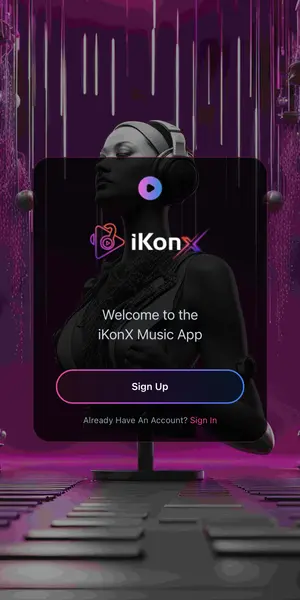
The whole network lives in one app.
iKonX puts every side of the music business in your pocket. Artists set their own price and keep 100% of it · iKonX takes 0% platform commission. Browse, message, and book straight from the app.

TikTok sound
A creator builds a trend around an artist's track · the artist gets the reach, the creator gets fresh audio.
Brand deal feature
Pair on a sponsored post · the music makes it feel native, not an ad. Terms agreed directly, no agency in the middle.
Duet or remix
Two voices on one post · the split-screen the feed loves. iKonX is just the introduction that makes it happen.
Live or stream
Bring an artist onto a live · a real, unscripted moment your audience cannot get anywhere else.
UGC campaign
A run of posts around a release · the artist keeps 100% of their rate, you pay a flat 10% on top. That is the whole deal.
| Route | What reaches the creator | Typical 2026 cost |
|---|---|---|
| Direct to creator | All of it | Micro 100 to 500 dollars, mid-tier 500 to 5,000, music and dance average around 210 per post |
| Through an agency | Roughly 70 percent, with about 30 percent to the agency | Agency commission commonly 10 to 30 percent of fees or ad spend |
| Platform marketplace | Most of it, minus the platform cut | Around a 10 percent platform fee on deals processed through the marketplace |
| Managed music campaign | Varies by service | Managed matching of songs to creators, priced per campaign |
| iKonX | All of it | The price the artist sets, plus a flat 10 percent on top |
Rates are dated and sourced. TikTok music and dance creators average roughly 210 dollars per sponsored post, with micro creators commonly 100 to 500 dollars and mid-tier 500 to 5,000 (dynamoi.com, 2026). Analysis of over a billion dollars in creator payouts found that on average about 30 percent of influencer marketing spend goes to the agency and about 70 percent reaches the creator (lumanu.com, 2025), and agency commissions typically run 10 to 30 percent of influencer fees or ad spend (favikon.com, 2025). TikTok's marketplace charges roughly a 10 percent platform fee on creator deals processed through it, with eligibility requiring at least 10,000 followers and 100,000 video views in the prior 30 days (buzzvoice.com and stackinfluence.com, 2025). Engagement above 8 percent can command 30 to 50 percent premium pricing (influenceflow.io, 2025). Paid partnerships must be clearly disclosed, with FTC civil penalties reaching 53,088 dollars per violation as of 2025 (termly.io, 2025). Campaign outcomes vary widely and no reuse rate is guaranteed. The only fixed claim here is the iKonX model: the artist keeps 100 percent of the price they set, iKonX takes 0 percent platform commission, and the buyer pays a flat 10 percent on top. iKonX is free to download and explore, full access to paid features is a flat 9.99 dollars a month, and the only payout deduction is a low, sub-5 percent withdrawal fee, below the industry standard.
Music and dance creators average roughly 210 dollars per sponsored post. Micro creators commonly charge 100 to 500 dollars and mid-tier creators 500 to 5,000, with larger accounts going well beyond that. Engagement matters more than size, and creators with engagement above 8 percent can command a 30 to 50 percent premium. A realistic first campaign spreads a few hundred to a few thousand dollars across several matched micro creators rather than spending it all on one big name.
Occasionally, if a creator genuinely loves the song or already knows you, but it is not a strategy. Creators treat placements as inventory, and an unpaid request from a stranger is not a business proposition. Building real relationships with a small number of creators over time is the only reliable unpaid route, and even then it works best alongside paid placements rather than instead of them.
Yes. Paid partnerships must be disclosed clearly and conspicuously, and the FTC enforces this with civil penalties reaching 53,088 dollars per violation as of 2025. Build the disclosure requirement into your brief rather than leaving it to the creator to remember. Asking a creator to hide a paid partnership pushes legal risk onto them, and professional creators will decline.
Go direct when your budget is small, because layers cost real money. Analysis of more than a billion dollars in creator payouts found roughly 30 percent of influencer spend goes to the agency and about 70 percent reaches the creator, and agency commissions commonly run 10 to 30 percent. Agencies earn their cut on large, complex campaigns where sourcing and coordination are the bottleneck. For a single song with a few thousand dollars behind it, every layer is placements you did not buy.
No. The person setting the price keeps 100 percent of it and iKonX takes 0 percent platform commission. The buyer pays a flat 10 percent on top, so the listed price is what the creator or artist earns. That is the difference from an agency route where roughly 30 percent of spend never reaches the creator. The only deduction is a low, sub-5 percent withdrawal fee when earnings are moved to a bank, which is a transfer cost and never a commission. iKonX is free to download and explore, and full access to paid features is a flat 9.99 dollars a month.
Two profiles. One collab. No middleman.
The creators who move songs are reachable directly. Download iKonX, list what you pay, and connect with creators without an agency taking a cut of the budget.

DOWNLOAD THE FREE PDF TODAY:
The Creator x Artist Collab Kit
How a creator and an artist set up a real collab and split it fairly · no agency, no middleman.
Get the free PDF ->