How to create a music sponsorship media kit that gets a yes
Brands reach independent artists directly on iKonX. Two parties, one transparent table, zero broker in the middle.
A music sponsorship media kit should lead with the audience numbers a brand cares about (reach, engagement rate, audience demographics), show proof you can deliver (past campaigns, real results), and name your sponsorship packages and rates. Per-post sponsorship for artists under 10K commonly runs 100 to 500 dollars, and 500 to 2,000 for 10K to 100K, with engagement above 5 percent lifting those numbers. The strongest kits prove a real, earning fanbase, not just a follower count. On iKonX you can point to a direct, paying relationship with fans as proof of an engaged audience, the exact thing brands are buying, since you keep 100 percent of what those fans pay you with 0 percent platform commission. iKonX takes 0 percent platform commission, the artist keeps 100 percent of the listed price, and the buyer pays a flat 10 percent on top. Membership is $9.99 a month with a sub-5 percent withdrawal fee; viewing and downloading are free.
Most artist media kits get ignored because they lead with the wrong numbers. Page after page of follower counts and a long bio, but nothing a brand can actually use to decide. Brands do not sponsor follower counts, they sponsor outcomes, and a kit that cannot show engagement, audience fit, and proof of results gives them no reason to say yes.
The other failure is asking with no proof and no price. A kit that says I would love to partner, let's talk forces the brand to do the work of imagining what you offer and what it costs. Sponsorship pay should be defined and tied to deliverables, but a vague kit leaves all of that undefined, so the brand defaults to a no or a lowball.
A media kit that converts is built around what the brand is buying: your reach, your engagement rate, who your audience actually is, and proof you can deliver a result. Lead with those numbers, show one or two real campaigns or wins, and then name your packages and rates so the brand can choose instead of guessing. Specific and packaged beats glossy and vague.
The strongest proof in 2026 is an engaged, earning fanbase, and that is exactly what a direct-to-fan relationship demonstrates. On iKonX, fans pay you directly for shoutouts, features, and access, and you keep 100 percent of it with 0 percent platform commission. That paying relationship is harder evidence of an engaged audience than any follower screenshot, because it shows fans who do not just watch, they buy, which is the audience a sponsor wants to reach. iKonX takes 0 percent platform commission, the artist keeps 100 percent of the listed price, and the buyer pays a flat 10 percent on top. Membership is $9.99 a month with a sub-5 percent withdrawal fee; viewing and downloading are free.
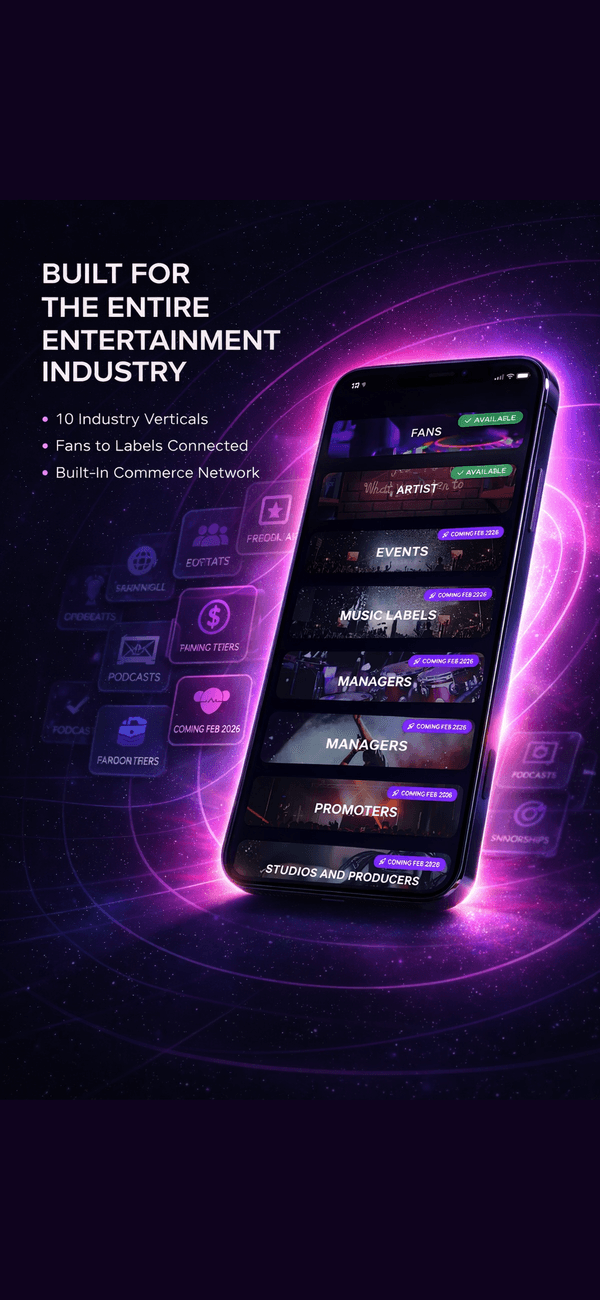
The whole network lives in one app.
iKonX puts every side of the music business in your pocket. Artists set their own price and keep 100% of it · iKonX takes 0% platform commission. Browse, message, and book straight from the app.

How to build a media kit a brand will act on
- Lead with the numbers brands buy. Reach, engagement rate, and audience demographics, on the first page. A brand is deciding whether your audience matches theirs, so give them the data to decide rather than a follower count and a bio.
- Show real proof of results. One or two past campaigns, collaborations, or measurable wins. Proof that you can deliver an outcome is what separates a sponsorable artist from a hopeful one, and it is what justifies your rate.
- Package your offer into clear tiers. Name what a sponsor gets at each level: a post, a story, a tour mention, a video integration. Defined deliverables let a brand pick a package instead of negotiating from scratch, which is how sponsorship is supposed to be structured.
- Put your rates on the kit. Per-post rates commonly run 100 to 500 dollars under 10K and 500 to 2,000 for 10K to 100K, with engagement above 5 percent lifting them. Naming a price signals you are a real partner and filters out brands who were never going to pay.
- Prove an engaged, earning audience. The strongest evidence is fans who pay you directly. A direct-to-fan relationship shows an audience that buys, not just follows, which is exactly the engaged audience a sponsor is paying to reach. Lead with that proof where you have it.
What brands actually want to see, and what makes a kit fail
| Kit element | What a brand needs | Common mistake |
|---|---|---|
| Audience proof | Engagement and a real, earning fanbase | Just a follower count |
| Results | One or two real campaign wins | No proof of delivery |
| Packages | Defined tiers with deliverables | Vague let's partner |
| Rates | 100 to 500 (<10K), 500 to 2,000 (10K to 100K) | No price, forcing a lowball |
| iKonX as proof | Fans who pay directly = engaged audience | Ignoring your strongest evidence |
Competitor figures are sourced and dated: per-post sponsorship for musicians commonly runs 100 to 500 dollars under 10K followers and 500 to 2,000 for 10K to 100K, with regional tour deals 1,000 to 5,000 and national 10,000+ (orphiq.com music sponsorship guide, May 2026); engagement above 5 percent adds 50 to 100 percent to base rates (orphiq.com brand sponsorships, 2026), and payments should be tied to deliverables with an upfront deposit (blog.hubspot.com, 2024). On iKonX you keep 100 percent of what fans pay you with 0 percent platform commission, which is the engaged-audience proof a sponsor buys.
Sponsorship media kit FAQ
What should a music sponsorship media kit include?
Lead with audience numbers a brand can act on, reach, engagement rate, and demographics, then show one or two real results, name your sponsorship packages with clear deliverables, and put your rates on it. The kit's job is to let a brand decide and choose a tier, not to make them imagine what you offer.
How much should I charge for a sponsorship?
Per-post rates for musicians commonly run 100 to 500 dollars under 10K followers and 500 to 2,000 for 10K to 100K, with tour deals from 1,000 into five and six figures. Engagement above 5 percent lifts those numbers, so price on your real audience activity, not just follower count.
Why do brands ignore follower counts?
Because they sponsor outcomes, not vanity numbers. A large following with low engagement reaches no one who acts. Brands want proof your audience is engaged and matches theirs, which is why engagement rate and proof of an earning fanbase matter far more than a follower total.
How do I prove my audience is engaged?
Show fans who actually pay you. A direct-to-fan relationship, where fans buy shoutouts, features, and access, is harder evidence of engagement than any follower screenshot. On iKonX you keep 100 percent of what those fans pay, and that paying relationship is exactly the engaged audience a sponsor is buying.
Should I put my rates in the kit?
Yes. A named price signals you are a real partner and filters out brands that were never going to pay, while a vague let's talk forces a lowball. Sponsorship pay should be defined and tied to deliverables, so packaging your rates is part of getting a serious yes.
How long should a media kit be?
Short and front-loaded. Put the numbers a brand buys on the first page, then proof, packages, and rates. A long bio with the data buried gets skipped, because a brand is scanning for whether your audience fits theirs and what it costs.
Explore the connected sides of the network
Show business is a business. No broker.
Build a kit around the numbers brands buy, prove an earning fanbase, and name your rates. Download iKonX and show sponsors an audience that actually pays.

DOWNLOAD THE FREE PDF TODAY:
The Brand-Artist Sponsorship Proposal Template
A fill-in proposal a brand and an artist can agree on with no broker in the middle.
Get the free PDF ->