Cash vs in-kind sponsorship: which is better for musicians?
Brands reach independent artists directly on iKonX. Two parties, one transparent table, zero broker in the middle.
Neither is automatically better. Cash wins when you have bills to cover and a clear price for your audience, since you control where it goes. In-kind wins when the product is something you would have bought anyway, like gear or travel. The best deal is usually a mix: a cash floor plus product on top.
A brand replies, and instead of an offer in dollars you get an offer in stuff: a year of gear, a stack of gift cards, free product, a spot in a campaign. It sounds generous, and sometimes it genuinely is. But a lot of artists say yes to the first product offer because it feels like winning, then realize months later that they covered a real tour out of pocket while the only thing the deal paid was a guitar they did not need. The question is not whether the gear is nice. It is whether the product is worth more to you than the cash you could have asked for instead.
The harder problem is that most artists never get to negotiate this at all. For most of music history a brand could not back a rising artist without going through a manager, who looped in a booking agent, and each of them took a cut. Managers commonly charge 15 to 20 percent of an artist's gross and booking agents take another 10 to 20 percent on top, so on a cash deal a quarter of the budget can disappear before a dollar reaches the artist. That overhead is exactly why the small, well-matched deals, the local roaster who would happily cover a regional tour, the gear shop, the niche label, never get done. The artist with a small, loyal, perfectly aligned audience stays invisible to the brands that would gladly pay them, in cash or in product.
So the real question is two-part: when should a musician take cash versus in-kind, and how do you reach the brand and value the deal without a broker eating the budget?
Start by naming what each side is actually worth to you. Cash is fungible: it pays rent, studio time, ads, or a tour, and you control where it goes. In-kind is only worth its fair-market value to the extent you would have spent that money anyway. A 2,000 dollar amp is worth 2,000 dollars if you were about to buy one and a fraction of that if you were not. Gift cards, travel, lodging, and consumable product behave like near-cash when they replace a real expense. Exposure (a feature, a repost, a campaign slot) is the softest currency of all: it can be career-defining or it can be worth nothing, so never let exposure stand in for a cash floor. The clean rule is to value every in-kind component in real dollars, add it to any cash, and compare the total against the price you would have set for the same deliverables.
Reaching the brand and keeping the deal whole is the half we are building iKonX toward. When sponsorships open, an artist will be able to set their own price, agree the exact deliverables and whether they are paid in cash, product, or both, and close the deal directly with the brand in one place. The artist will keep 100 percent of the price they set, iKonX will take 0 percent platform commission, and the buyer will pay a flat 10 percent on top. Because no agency markup is eating the cash side, the smaller mixed deals the old overhead priced out, a cash floor plus gear from a brand your audience already trusts, become worth doing again. The whole budget goes to the partnership instead of a chain of middle people.
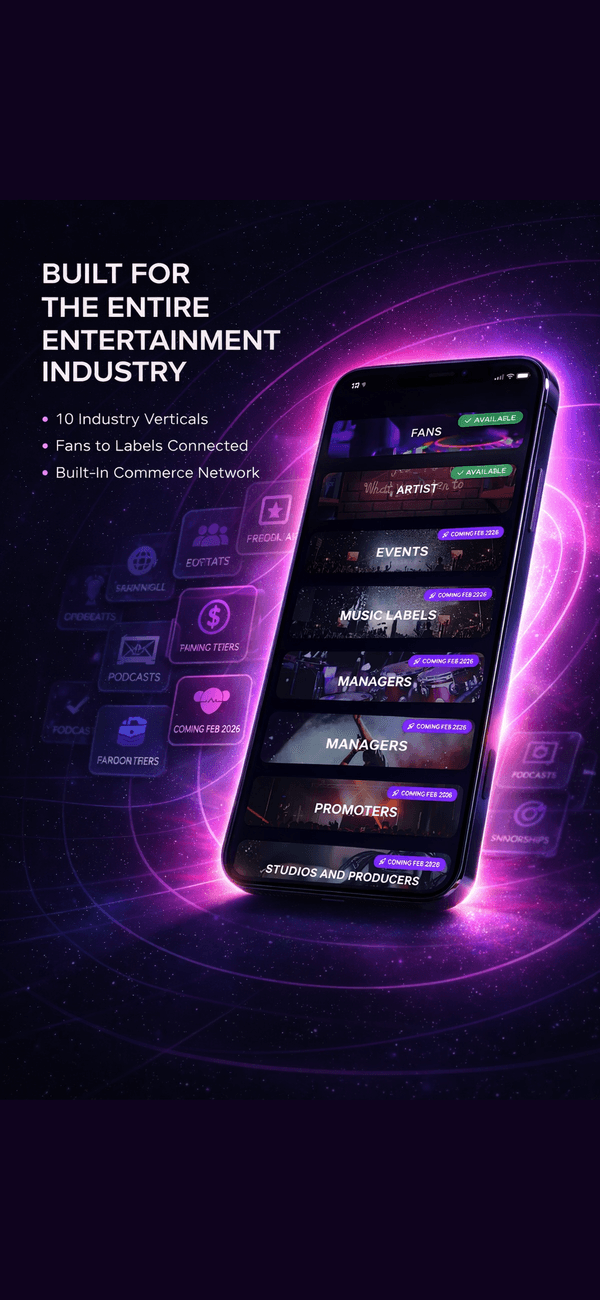
The whole network lives in one app.
iKonX puts every side of the music business in your pocket. Artists set their own price and keep 100% of it · iKonX takes 0% platform commission. Browse, message, and book straight from the app.

How to decide between cash and in-kind, step by step
- Set your cash price first, before any product enters the conversation. Decide what the deliverable is worth in dollars, based on your audience size and engagement, not on what the brand opened with. A single sponsored post commonly runs 100 to 500 dollars for a nano-tier artist under 10,000 followers and 500 to 2,000 dollars at 10,000 to 100,000, per Orphiq's 2026 guide, and regional tour sponsorships commonly run 1,000 to 5,000 dollars. That number is your anchor for everything that follows.
- Value every in-kind component at real fair-market dollars. Look up what the gear, gift cards, travel, or product actually sells for, then discount anything you would not have bought. A 1,500 dollar guitar you needed counts close to 1,500; the same guitar you did not need counts far less. In-kind packages commonly run 500 to 10,000 dollars in stated value, per Orphiq's 2026 guide, but the number that matters is what it is worth to you, not the retail sticker.
- Insist on a cash floor for anything you have to spend. Touring, shooting a video, and running ads cost real money, and product cannot pay a hotel. If the deliverable has hard costs, ask for enough cash to cover them and take product on top. The strongest deals are a mix: a cash floor that covers your out-of-pocket plus in-kind that genuinely upgrades your setup.
- Weigh brand fit and exposure as a tiebreaker, never as the payment. If two offers are close in real value, the better-aligned brand wins, because brand-alignment is what makes a sponsorship feel authentic to your audience instead of bought. But treat exposure as upside on top of a fair deal, never as a substitute for it. Creators with engagement above 5 percent can command meaningfully higher rates, so your engaged audience is leverage, not a reason to work for product alone.
- Put the cash-versus-product split in writing, and plan for the tax. Agree the deliverables, dates, usage rights, the cash amount, and the stated value of any product, all in writing, and collect the cash before you do the work. Remember that in-kind is not free money to the tax office: the fair-market value of product, gift cards, and services you receive is generally taxable income, and a brand may issue a 1099 for it, so set aside for tax on the product just as you would on cash.
Cash vs in-kind sponsorship, side by side, with dated 2026 pay context
| Factor | Cash sponsorship | In-kind (product) sponsorship |
|---|---|---|
| What you get | Money you control: rent, studio, ads, tour | Gear, gift cards, travel, product, or exposure |
| Typical 2026 value | Post $100 to $500 under 10K, $500 to $2,000 at 10K to 100K; regional tour $1,000 to $5,000 | Commonly $500 to $10,000 in stated value (e.g. Taco Bell Feed The Beat $500 gift cards; Gibson gear and endorsements) |
| Real worth to you | Full face value, always | Only what you would have spent anyway; exposure can be worth a lot or nothing |
| Covers hard costs? | Yes, pays hotels, crew, ads | No, product cannot pay a bill |
| Tax | Taxable income; brand may 1099 you | Fair-market value is generally taxable too; brand may 1099 you |
| On iKonX (roadmap) | Keep 100% of the price you set; 0% platform commission; buyer pays flat 10% on top | Agree the product and its stated value directly with the brand, no agency markup eating the cash side |
Sources and pay context, dated: sponsored post pay of $100 to $500 for an artist under 10,000 followers and $500 to $2,000 at 10,000 to 100,000, regional tour sponsorships of $1,000 to $5,000, and in-kind packages of $500 to $10,000 in stated value, per Orphiq's music sponsorship guide (May 17, 2026); creators with engagement above 5 percent commonly command 40 to 60 percent premium rates over the average, per InfluenceFlow's 2026 sponsored-post pricing guide. Taco Bell Feed The Beat marked 20 years in 2026 with a 100-strong anniversary class and provides touring artists with $500 in Taco Bell gift cards plus event stages, commercial features, and social amplification, per That Eric Alper (June 2, 2026) and feedthebeat.com (2025); Gibson's Artist Spotlight features a new emerging musician monthly and its two-year Generation Group adds gear, mentorship, and a Gibson endorsement, per Music Connection (January 6, 2026). The fair-market value of products, gift cards, and services received as in-kind sponsorship is generally treated as taxable income, and payers may report it on Form 1099, per IRS barter-income guidance (Topic No. 420, 2025); this is general information, not tax advice. Going through a manager commonly costs 15 to 20 percent of an artist's gross per Matador Talent's 2025 agent commission guide, and a booking agent another 10 to 20 percent per Stagent's 2025 guide. Ranges vary by deal. The only fixed claim is the iKonX model: artists keep 100% of the price they set, iKonX takes 0% platform commission, and the buyer pays a flat 10% on top. iKonX is free to download and explore, full access to paid features is a flat $9.99/month, and the only payout deduction is a low, sub-5% withdrawal fee, below the industry standard.
Cash vs in-kind sponsorship FAQ
Cash or in-kind sponsorship: which is better for a musician?
Neither is automatically better; it depends on your situation. Cash wins when you have real expenses to cover, because you control where it goes and product cannot pay a hotel or a studio. In-kind wins when the product is something you would have bought anyway, such as gear, travel, or gift cards, and the brand fits your audience. The strongest deals are usually a mix: a cash floor that covers your out-of-pocket costs, plus in-kind on top, with every product component valued in real dollars before you say yes.
How do I value an in-kind sponsorship?
Start with the product's fair-market value, what it actually sells for, then discount anything you would not have bought on your own. A $2,000 amp you were about to buy counts close to $2,000; the same amp you did not need counts far less. Gift cards, travel, and lodging behave like near-cash when they replace a real expense. Exposure is the softest currency and can be worth a lot or nothing, so never let it stand in for cash. Add the real dollar value of the in-kind to any cash, then compare the total against the price you would have set for the same deliverables.
Is in-kind sponsorship taxable?
Generally yes. The fair-market value of products, gift cards, gear, and services you receive in exchange for your work is treated as taxable income, the same as a barter transaction, per IRS guidance (Topic No. 420, 2025), and a brand may report it to you on a Form 1099. That means a product deal is not free money: set aside for tax on the stated value just as you would on a cash fee, and keep records of what each item was worth. This is general information, not tax advice; confirm your situation with a tax professional.
When should I take cash instead of product?
Take cash whenever the deliverable has hard costs you have to pay out of pocket, like touring, shooting a video, or running ads, because product cannot cover those bills. Take cash, too, when the product is not something you would have bought, when you need flexibility, or when the brand fit is weak. A useful rule: insist on a cash floor that covers your real expenses, then let in-kind ride on top only if it genuinely upgrades your setup.
Can I ask a brand for both cash and product?
Yes, and you usually should. A mixed deal, a cash floor plus in-kind on top, is common and often the best outcome for both sides: the brand stretches its budget with product it already makes, and you cover your costs in cash while picking up gear or gift cards you value. Set your cash price first, value the product in real dollars, put the split in writing, and collect the cash before you deliver. Dealing directly, rather than through a manager or agent who takes 15 to 20 percent, keeps the full cash side of the deal in your pocket.
Does iKonX take a commission on a cash or in-kind sponsorship?
No. When sponsorships open, the artist will earn 100 percent of the price they set and iKonX will take 0 percent platform commission. The buyer pays a flat 10 percent on top of the artist's price. In-kind components are agreed directly with the brand, with no agency markup eating the cash side. Only a low, sub-5 percent withdrawal fee, below the industry standard, applies when an artist transfers cash earnings out, and it is a routine transfer fee, never a commission on the deal. iKonX is free to download and explore; full access to paid features across all ten sides of the network is a flat $9.99 a month.
Explore the connected sides of the network
Show business is a business. No broker.
Decide what you actually need, value the deal honestly, and keep every dollar of the cash side. Download iKonX to be ready the moment sponsorships open, where you set your own price and deal with brands directly instead of through a gatekeeper.

DOWNLOAD THE FREE PDF TODAY:
The Brand-Artist Sponsorship Proposal Template
A fill-in proposal a brand and an artist can agree on with no broker in the middle.
Get the free PDF ->