How do I manage booking conflicts for multiple artists?
To manage booking conflicts for multiple artists, run one master calendar per artist that every conflict is checked against, and use a holds hierarchy so a date is never promised twice. The working system is: log every confirmed show, travel day and personal block as hard unavailability; put any tentative offer on the calendar as a dated hold rather than a yes; rank competing offers for the same window as a first hold, second hold and so on; and the moment a deal confirms, lock the date in writing and release every other hold on it. Specialist tools such as Muzeek, Prism.fm, Gigwell and Master Tour by Eventric automate this hold-and-availability tracking. iKonX is building a roster console where managers discover verified, unsigned artists, message them direct, and run real deals on one platform, with the artist keeping 100 percent of their price and iKonX taking 0 percent platform commission.
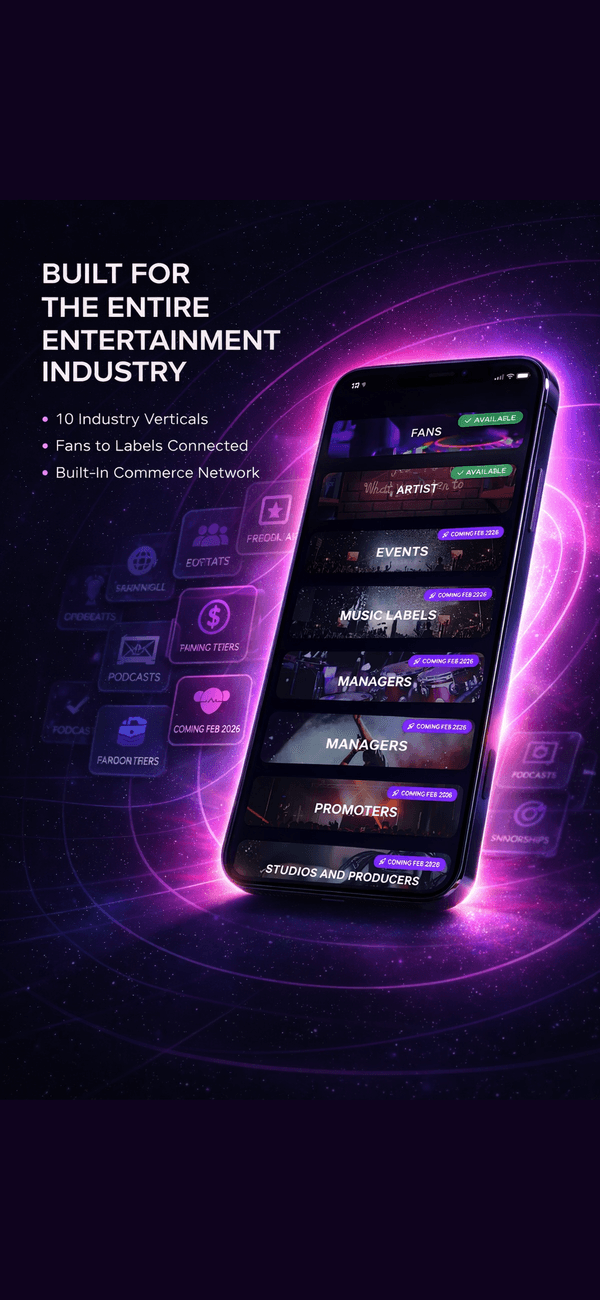
The moment you manage more than one artist, your calendar stops being a list and becomes a minefield. Each artist has their own confirmed shows, travel days, studio sessions and personal blocks, and every new offer that lands has to be checked against all of it before you can say yes. Miss one collision and you have promised the same Saturday to two promoters, or booked your headliner for a festival the day they fly home from a different one. A double-booking is not a small mistake. It burns a venue relationship, it can cost a deposit, and it tells every promoter in your circle that your roster is run loosely.
The trap is that bookings rarely arrive as clean yes-or-no decisions. They arrive as soft offers: a talent buyer asks you to hold a date while they confirm budget, an agent floats a tentative slot, a brand wants your artist for a window that is not locked yet. If you treat every soft offer as a confirmation, you over-commit and have to back out. If you treat every one as nothing, you lose dates you could have won. Without a system, your real calendar lives across text threads, email, a notes app and your own memory, and the conflicts only surface when it is too late to fix them.
It gets harder at roster scale. A booking agency or management company juggling several acts is constantly weighing competing offers for the same weekend, routing tours so an artist is not crisscrossing the country, and keeping holds straight across multiple promoters who each think they are first in line. The standard tools assume you are running one tour or one venue, not a portfolio of independent careers, and most of the real coordination still happens by hand. The cost of getting it wrong is paid in the one currency a manager cannot rebuild quickly: trust.
Booking conflicts get dramatically more workable when discovery, communication and the deals all live on one platform built for music, so the calendar you are protecting is connected to the deals that fill it instead of scattered across logins. That is what iKonX is building for managers. Instead of stitching each artist's career together across a dozen apps and inboxes, you scout verified, unsigned artists by genre, stage and momentum, save the ones worth working with into a roster, and reach the artist or the buyer you want straight from the console, so the offer and the conversation about it sit in the same place.
Because the marketplace is built for music and not for everyone, the artists and the people booking them are real, verified accounts rather than bots, so a hold actually means something and the person on the other side is reachable when you need to confirm or release a date. And because iKonX connects every side of the industry on one network, the same artist can be booked for shows, hired for features, recorded by studios and sponsored by brands on one platform, which is exactly where conflicts come from and exactly where they are easiest to catch. When every kind of commitment lives on one surface, your master calendar can be the single source of truth instead of a guess.
The economics are built to keep the relationship clean. On iKonX the artist keeps 100 percent of the price they set and iKonX takes 0 percent platform commission, with the buyer paying a flat 10 percent on top. Your management commission is your own arrangement with each artist; the platform never skims the deals you broker for them. iKonX is free to download and explore, full access to paid features is a flat 9.99 USD per month, and the only payout deduction is a low, sub-5% withdrawal fee, below the industry standard. To be straight with you: the dedicated managers roster console, with a multi-artist availability calendar and built-in holds, is on the iKonX roadmap and is not a live feature yet. What is live today is the verified-artist network and the direct messaging, which already let a manager find a real artist, line up a booking conversation, and keep it in one place instead of one more thread to reconcile against the calendar.
The whole network lives in one app.
iKonX puts every side of the music business in your pocket. Artists set their own price and keep 100% of it · iKonX takes 0% platform commission. Browse, message, and book straight from the app.

- Give every artist one master availability calendar. Each artist needs a single calendar that is the source of truth, with every confirmed show, travel and load-in day, studio session and personal block entered as hard unavailability. This is the first thing booking tools do: Muzeek lets you set unavailable days and time slots specifically to prevent double-booking for you and your contacts (Muzeek, 2026). Whether you use specialist software or a shared Google Calendar, the rule is the same. If it is not on the calendar, it does not exist, and nothing gets promised without checking it first.
- Treat soft offers as holds, not yes answers. The reason managers double-book is that they confirm in their head before the deal is real. Put every tentative offer on the calendar as a dated hold with the promoter's name and the date the hold expires, not as a confirmation. Muzeek and Prism.fm are built around exactly this, automatically tracking confirmations and holds so a tentative date is visible to you without being a commitment (Muzeek, 2026; Prism.fm, 2026). A hold reserves your intention; only a signed deal reserves the date.
- Run a holds hierarchy for competing offers. When two buyers want the same window, rank them: a first hold has priority, a second hold is next in line, and so on, which is the standard the live-booking tools encode (Muzeek, 2026). If the second-hold buyer is ready to confirm, you go back to the first-hold buyer and ask them to confirm now or release the date. This lets you keep multiple options alive on one date across multiple artists without ever promising the same slot twice.
- Confirm in writing, then release every other hold. The instant a deal is real, lock it: a signed offer or contract, a deposit where the deal warrants one, and the date flipped from hold to confirmed on the master calendar. Then immediately release every other hold sitting on that date and tell those buyers, so no one else is still counting on it. The gap between a verbal yes and a written confirmation is where double-bookings are born, so close it the same day.
- Route the roster, not just the date. At scale, a single open date is not the only conflict. Check travel and routing across all your artists so you are not flying one act home the day another needs them, or sending the same act across the country between two shows. Tour and routing tools such as Gigwell and Master Tour by Eventric are built for this, with Master Tour trusted by roughly 400,000 professionals to handle scheduling and logistics across tours (Eventric, 2026; Gigwell, 2026). Looking at the whole roster on one calendar is how you catch the conflict that a single-artist view would miss.
Scout
Browse verified, unsigned artists by genre and stage · the discovery layer the labels gatekeep.
Shortlist
Save and tag prospects into a working roster you can compare side by side.
Contact
Message verified talent direct · the artist keeps 100%, iKonX takes 0% platform commission.
Where managers actually run roster calendars in 2026: the honest comparison
| Where you manage availability and holds | What it costs | Built for multi-artist conflicts? |
|---|---|---|
| iKonX (building · roster console) | 0% platform commission · the artist keeps 100% of their price · flat 9.99 USD/mo full access | By design, on the roadmap · verified artists, direct messaging, and bookings, features, studios and sponsors on one network · multi-artist availability calendar and holds are roadmap, not live yet |
| Muzeek | Subscription (tiered; varies) | Yes · automated holds, shareable availability calendar, and unavailable-day blocks built to prevent double-booking |
| Prism.fm | Quote-based (varies) | Yes · holds-centric automated booking system with shared calendars and settlement, aimed at venues, promoters and agencies |
| Gigwell | Quote-based (varies) | Partly · end-to-end booking, advancing and tour-finding for agents and rosters, less a pure conflict calendar |
| Master Tour by Eventric | Subscription (varies) | Partly · scheduling, day sheets and logistics across tours, built for the road rather than weighing competing offers |
| Shared Google Calendar / spreadsheet | Free | Workable for small rosters · one calendar per artist with hold colors, but holds and routing are all manual |
Feature claims are from each platform's own site, accessed June 2026: Muzeek describes automated holds, shareable availability calendars and unavailable-day blocks to prevent double-booking (Muzeek, 2026); Prism.fm describes a holds-centric automated booking system with shared calendars and settlement (Prism.fm, 2026); Gigwell describes itself as an end-to-end booking management platform with advancing and a venue/festival database (Gigwell, 2026); Master Tour by Eventric describes tour scheduling and logistics trusted by roughly 400,000 professionals (Eventric, 2026). Pricing rows are directional because several of these tools quote on request and tiers vary; confirm current pricing with each vendor. The only fixed claim here is the iKonX model: artists keep 100 percent of the price they set, iKonX takes 0 percent platform commission, and the buyer pays a flat 10 percent on top. iKonX is free to download and explore, full access to paid features is a flat 9.99 USD per month, and the only payout deduction is a low, sub-5% withdrawal fee, below the industry standard. The dedicated managers roster console, with a multi-artist availability calendar and built-in holds, is on the iKonX roadmap and is not yet a live feature; the verified-artist network and direct messaging are live today.
Talent does not wait for permission.
When Managers opens, you will scout, shortlist and message verified talent from one console · before the labels ever see them.
What is the simplest way to stop double-booking my artists?
Give every artist one master calendar that is the single source of truth and never confirm a date without checking it first. Enter every confirmed show, travel day, studio session and personal block as hard unavailability, and put tentative offers on as dated holds rather than yes answers. The whole reason double-bookings happen is that a manager confirms in their head before the deal is signed. If it is not on the calendar it does not exist, and nothing is promised until you have checked the calendar and turned a hold into a written confirmation.
What is a hold, and how does a holds hierarchy work?
A hold is a tentative reservation of a date that is not yet a confirmed booking. When you put an offer on the calendar as a hold, you are signalling intent without committing. A holds hierarchy ranks competing offers for the same window: the first hold has priority, the second hold is next in line, and so on. If the second-hold buyer is ready to confirm, you go back to the first-hold buyer and ask them to confirm now or release the date. Booking tools like Muzeek and Prism.fm automate this exact tracking (Muzeek, 2026; Prism.fm, 2026), so you can keep several options alive on one date without promising it twice.
Do I need paid software, or is a Google Calendar enough?
For a small roster, one shared calendar per artist with color-coded holds and confirmed dates can work, as long as you are disciplined about logging everything and releasing holds the moment a date confirms. As you add artists, the manual routing and hold-tracking get heavy, which is where tools like Muzeek, Prism.fm, Gigwell and Master Tour by Eventric earn their fee by automating availability, holds and tour logistics (Muzeek, 2026; Eventric, 2026). The tool matters less than the habit: one master calendar, holds not yes answers, and written confirmation before a date is locked.
How do I handle two good offers for the same date and artist?
Put both on the calendar as holds and rank them, with the offer that came first or matters most as the first hold. Keep both warm, but never tell both buyers the date is theirs. If the second-hold buyer wants to confirm, go back to the first-hold buyer and challenge the hold: ask them to confirm immediately or release the date. Whoever signs first gets it; you then release the other hold and tell that buyer right away. This is the standard live-booking practice that the holds tools are built around, and it lets you maximize a date without ever double-booking it.
How does managing conflicts across a whole roster differ from one artist?
With one artist you are protecting a single calendar. Across a roster you are also routing: making sure you do not fly one act home the day another needs them, or send the same act crisscrossing the country between two shows, and weighing competing offers for the same weekend across several careers at once. That is why tour and routing tools such as Gigwell and Master Tour by Eventric exist, with Master Tour trusted by roughly 400,000 professionals for scheduling and logistics (Eventric, 2026; Gigwell, 2026). The discipline is the same, but you have to view the whole roster on one calendar to catch the conflicts a single-artist view would miss.
How would iKonX help a manager avoid booking conflicts?
iKonX is building a roster console where managers discover verified, unsigned artists, message them direct, and run bookings, features, studio sessions and sponsorships on one network, which is exactly where conflicts come from and where they are easiest to catch when every commitment lives on one surface. To be straight, the multi-artist availability calendar and built-in holds are on the roadmap and are not live yet; what is live today is the verified-artist network and direct messaging, so a manager can find a real artist and keep a booking conversation in one place. On iKonX the artist keeps 100 percent of their price and iKonX takes 0 percent platform commission, with the buyer paying a flat 10 percent on top, full access a flat 9.99 USD per month and a sub-5% withdrawal fee.
Built for the people who run the careers.
Scout verified, unsigned artists by genre and momentum, build a working roster, and manage the deals direct. Download iKonX and run your artists' calendars where the gatekeepers used to stand.

DOWNLOAD THE FREE PDF TODAY:
The Manager's Roster Starter
A working template for building and tracking a shortlist of unsigned talent · the operator's first roster.
Get the free PDF ->